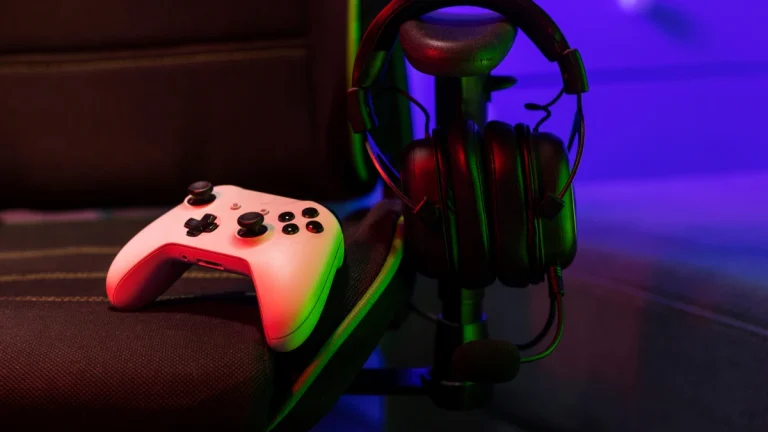

Gaming headsets
Gaming headsets deliver immersive soundscapes that transform audio from background ambiance into competitive intelligence revealing enemy positions through directional footsteps, reloading sounds, and gunfire. Quality headsets balance accurate sound reproduction with comfortable ergonomics that prevent fatigue during marathon sessions, while integrated microphones enable clear team communication without requiring separate equipment. Virtual surround processing creates multi-directional audio illusions from stereo drivers, competing with true surround designs incorporating multiple speakers per ear cup. Modern wireless technology eliminates cable tangles without introducing latency, achieving response times under 20ms that remain imperceptible during gameplay. Understanding how driver size, frequency response, and comfort engineering affect long-term satisfaction helps identify headsets matching your gaming priorities within comprehensive peripheral setups.
Gaming headsets: immersive audio & clear communication
Sound can win or lose games long before you see anything on screen. A good headset turns footsteps, reloading and distant gunfire into clear information instead of vague background noise. When you combine that with a clean microphone your team hears every callout without crackling or echo. The goal is simple. You want wireless gaming headsets with surround sound that stay comfortable for long sessions and fit naturally into the rest of your <a href= »gaming-peripherals-guide.html »>gaming peripherals</a>, from your mouse and mechanical keyboard to your high refresh rate monitor, so the whole setup works together instead of fighting you.
I spent years using cheap headsets that broke within months or caused headaches after an hour of wear. The difference between budget options and quality gaming headsets isn’t subtle once you experience proper audio positioning and all-day comfort. Premium doesn’t always mean expensive either since the mid-range market offers excellent value for players willing to research beyond flashy marketing claims about features most games never utilize.
Driver technology and sound quality
Headset drivers convert electrical signals into sound waves through electromagnetic principles. Dynamic drivers found in most gaming headsets use voice coils attached to diaphragms that vibrate when electrical current flows through them. These drivers excel at producing powerful bass and clear midrange frequencies suitable for gaming soundtracks and explosive effects. Driver size typically ranges from 40mm to 50mm with larger diameters generally producing fuller bass response and louder maximum volumes without distortion.
Planar magnetic drivers represent premium alternatives found in high-end models like the Audeze Maxwell. These drivers use thin flat diaphragms with conductor traces embedded directly on the surface suspended between magnetic arrays. The even distribution of magnetic force across the entire diaphragm creates more accurate sound reproduction with exceptional detail retrieval. Planar magnetic headsets reveal subtle audio cues that dynamic drivers might obscure though the technology adds weight and cost that not every gamer requires.
Frequency response determines which sound ranges your headset emphasizes or reduces. Gaming headsets often boost bass frequencies for explosive impact while elevating treble ranges that contain footsteps and environmental cues. Flat reference tuning preferred by audiophiles sometimes obscures competitive information by presenting all frequencies equally rather than emphasizing tactically relevant sounds. The best gaming tuning balances immersion with competitive clarity.
Virtual surround sound implementation
Surround sound marketing confuses many headset shoppers since stereo headphones cannot create true multi-speaker surround systems. Virtual 7.1 surround processing applies digital signal manipulation to stereo drivers creating the illusion of directional audio through carefully timed sound delivery to each ear. Windows Sonic and Dolby Atmos represent common software solutions that work with any stereo headset transforming standard audio into spatial soundscapes.
Physical surround headsets incorporating multiple drivers per ear cup promised superior positioning but most audiophiles argue that high-quality stereo imaging outperforms these implementations. Multiple small drivers rarely match the sound quality of larger stereo drivers and the complexity adds weight plus potential failure points. Modern game audio engines optimize for stereo headphone presentation making dedicated surround hardware increasingly obsolete.
I tested various surround implementations over the years and found that quality stereo headsets paired with Dolby Atmos software deliver positioning accuracy matching or exceeding hardware surround designs. The key lies in game audio design more than headset hardware since developers build spatial audio assuming stereo headphone playback. Save money on surround hardware and invest in better drivers and comfort instead.
Wireless technology and battery performance
Wireless gaming headsets finally achieved parity with wired alternatives around 2020 when 2.4GHz implementations conquered latency problems. Modern wireless connections deliver audio with delays under 20ms that remain imperceptible during gameplay. Battery life concerns that plagued early wireless designs disappeared as efficiency improvements pushed runtime to 20-30 hours becoming standard with premium models exceeding 60 hours on single charges.
Quick charging features provide hours of gameplay from brief 15-minute charging sessions preventing extended downtime when batteries deplete unexpectedly. Some high-end models include dual battery systems with hot-swappable batteries ensuring uninterrupted gaming by replacing depleted batteries while the other charges. Charging docks keep headsets ready between sessions while displaying battery status preventing surprise shutdowns mid-match.
Wireless freedom eliminates cable tangles and enables comfortable repositioning without unplugging. The technology adds weight from battery integration though modern designs minimize this penalty through efficient power management and lightweight construction. Bluetooth modes on many wireless headsets enable multi-device connectivity switching between gaming PCs and mobile devices though remember that Bluetooth introduces latency unsuitable for competitive gaming.
Wireless vs Wired Comparison:
| Feature | Wired | Wireless 2.4GHz | Bluetooth |
| Latency | <1ms | 15-20ms | 100-200ms |
| Battery Concerns | None | 20-60 hours typical | 20-40 hours typical |
| Freedom of Movement | Limited by cable | Full wireless freedom | Full wireless freedom |
| Weight | Lighter (no battery) | Heavier (battery included) | Heavier (battery included) |
| Price Premium | Lower | Moderate ($30-50 more) | Lower (consumer focused) |
| Best Use | Competitive gaming | All gaming types | Mobile and casual |
Comfort engineering for extended sessions
Comfort determines whether expensive headsets see daily use or collect dust after initial excitement fades. Memory foam ear cushions contoured to human ear shapes distribute pressure evenly preventing hotspots that develop after 30-60 minutes in cheaper headsets. My ears appreciated the upgrade from basic foam padding to quality memory foam that maintained comfort through four-hour gaming marathons.
Headband design affects weight distribution across your skull. Well-engineered suspension headbands like those from SteelSeries automatically adjust to head sizes without manual fitting while distributing weight across broader surface areas. Padded headbands with ample cushioning prevent pressure points on skull tops though excessive padding adds unnecessary weight that defeats comfort improvements.
Clamping force requires careful balance between secure positioning and comfortable pressure. Tight clamping prevents headsets from shifting during head movements but causes discomfort and headaches during extended wear. Loose clamping feels comfortable initially but allows headsets to slide around disrupting audio positioning and requiring constant readjustment. Quality headsets engineer clamping force that maintains position without excessive pressure through spring tension and ear cup swivel mechanisms.
Breathable materials like velour or perforated leatherette minimize heat buildup that plagues solid faux leather cushions. Leather looks premium but traps heat causing sweaty discomfort during intense gaming sessions in warm environments. Velour fabric breathes better though it attracts dust and oils requiring more frequent cleaning than synthetic alternatives. Choose materials matching your environment and tolerance for maintenance.
Microphone quality and communication
Gaming headset microphones transform team coordination from frustrating guesswork into clear tactical communication. Boom microphones positioned near your mouth capture voice clearly while rejecting background noise through directional pickup patterns. This design outperforms inline cable mics or earbud implementations that amplify room ambiance alongside your voice creating distracting background noise for teammates.
Detachable boom designs enable removal when using push-to-talk Discord or streaming with dedicated microphones. This flexibility prevents unnecessary protrusions during solo gaming where communication hardware serves no purpose. Flip-to-mute functionality provides instant audio privacy without software toggles while physical indication shows mute status preventing embarrassing hot mic moments that reveal private conversations to entire teams.
Microphone frequency response affects how natural your voice sounds to teammates. Gaming headset mics typically emphasize midrange frequencies containing human voice while reducing bass rumble and high-frequency hiss. Broadcast-quality microphones found in premium headsets like HyperX Cloud Alpha deliver voice clarity rivaling dedicated USB microphones at fraction of the cost and desk space.
Noise cancellation helps filter keyboard clicks, mouse movements and household sounds from voice transmission. This processing prevents mechanical noise from drowning out callouts during critical moments. Advanced implementations use dual microphones sampling ambient noise for more effective cancellation though simple boom positioning often achieves adequate results without complex processing.
Software control and customization
Headset software expands capabilities beyond default sound profiles. Equalizer adjustments boost specific frequencies to emphasize footsteps or reduce bass bloat that muddles directional cues. I typically reduce low frequencies while boosting the 2-4kHz range where footsteps and environmental audio resides improving competitive awareness without sacrificing overall sound quality.
Preset profiles optimize audio for different game genres. Competitive FPS profiles emphasize high frequencies for enemy detection while immersive single-player settings enhance bass and cinematic effects. Creating custom profiles for specific games ensures optimal audio presentation without manual adjustments each time you switch titles.
Microphone monitoring lets you hear your own voice through headset speakers preventing unconscious shouting that disturbs household members or roommates. The feature helps maintain consistent volume levels and catches issues like pop filters or background noise before teammates complain. Noise gate controls prevent microphone transmission below certain volume thresholds eliminating breathing sounds and ambient room noise from voice chat.
Value across price points
Budget gaming peripherals setup builders find excellent headsets between 50-80 dollars delivering comfortable designs with respectable audio quality. The Corsair HS55 represents outstanding value with memory foam cushions, lightweight construction and Dolby Atmos support. These affordable options sacrifice premium materials and wireless connectivity but provide core gaming audio experiences without breaking budgets.
Mid-range headsets around 100-150 dollars add wireless connectivity, superior build quality and enhanced audio tuning. This price bracket delivers the best performance-per-dollar for most gamers balancing features against diminishing returns at higher prices. Premium materials like metal construction and replaceable parts justify costs through extended longevity compared to plastic budget alternatives.
High-end options exceeding 200 dollars cater to audiophiles prioritizing exceptional sound quality alongside gaming features. Planar magnetic drivers and premium DAC implementations create listening experiences that transcend gaming into music appreciation and media consumption. These investments make sense for players using headsets across multiple activities rather than exclusively gaming.
Your perfect gaming headset balances audio quality, comfort and features within budget constraints. Test headsets when possible since comfort represents subjective preference that reviews cannot quantify for your specific head shape and sensitivity to pressure. Remember that expensive doesn’t guarantee satisfaction if ergonomics or sound signature don’t match your preferences. Once you’ve optimized audio the next upgrade worth considering involves visual improvements from <a href= »gaming-monitors-refresh-rate-guide.html »>gaming monitors high refresh rate</a> technology that eliminates motion blur and screen tearing.